Join us for one of our full-day Pre-Congress Courses and delve into the latest advancements in the field.
With 5 different pre-congress courses to choose from, you are sure to find what you are looking for! These courses offer valuable insights and practical guidance that will enhance your practice and improve patient outcomes.
1 September, 2026
10:00 - 18:00
Pre-registration is required and places are limited. Secure your spot today!
If you have already registered for the IFSO 2026 World Congress, and wish to register for a pre-congress course, please contact reg_ifso26@kenes.com
HANDS-ON COURSES
Robotics in Action: The New Frontier in Obesity Care
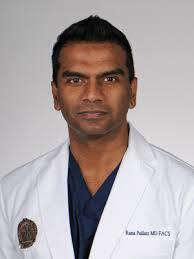
Rana Pullatt
Director
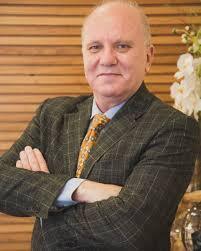
Carlos Domene
Co-Director
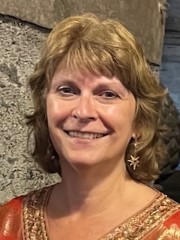
Ann Rogers
Co-Director
This unique course gives course participants hands-on experience with multiple robotic platforms.
Learning Objectives:
- Describe the key features and applications of different robotic surgical platforms used in obesity and metabolic care
- Demonstrate hands-on proficiency with multiple robotic systems, including da Vinci 5, Hugo, Hinotori, and potentially Toumei
- Apply knowledge from expert-led didactic lectures and videos to optimize robotic-assisted surgical techniques in clinical practice.
Click here to see the course agenda details.
Metabolic Bariatric Endoscopy: Innovative Approaches to Obesity Care
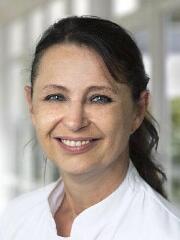
Christine Stier
Director
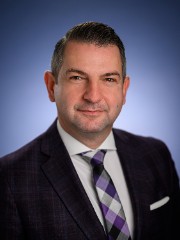
Andras Fecso
Co-Director
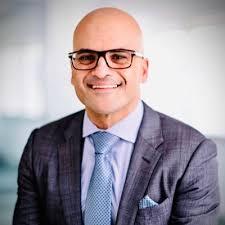
Barham Abu Dayyeh
Co-Director
This is a hands-on course with multiple endoscopic techniques for obesity care.
Course Summary: Endoluminal Obesity and Metabolic Therapies
This intensive, full-day course explores the rapidly evolving field of endoluminal (minimally invasive, scope-based) interventions.
The program is divided into two primary domains:
- Gastric-Volume-Reducing Effect: Examines the transition from traditional surgical procedures (like Sleeve Gastrectomy) to advanced, standalone endoluminal therapies. The curriculum covers clinical evidence (e.g., the MERIT trial), the potential for treating younger patient populations (adolescents), and the shift toward personalized, combination therapy approaches.
- The Duodenum Effect: Focuses on the role of the duodenum in metabolic regulation. It covers the pathophysiology of diabetes, lessons learned from surgical bypass and liners, and cutting-edge innovations such as mucosal electroporation (ReCet) for metabolic reprogramming.
The course balances high-level theoretical insights with extensive hands-on training, concluding with structured participants evaluations based on scientific rigor, clinical utility, and innovation.
Click here to see the course agenda details.
ADDITIONAL COURSES
Revisional Metabolic Bariatric Surgery: Challenges, Solutions, Successes
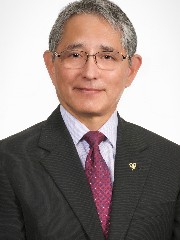
Kelvin Higa
Director
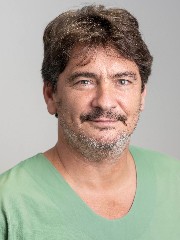
Francois Pattou
Co- Director
The definition of success after MBS is subjective. Maximal weight loss should not be used as a surrogate for maximal health benefit and patients should not be blamed for weight re-gain. We share the responsibility of advising the primary intervention, execution of optimal anatomic construct and post-operative counselling. Complications are inevitable and their management is critical in the long-term follow-up of our patients.
This interactive, video-based course will cover management of common complications of our procedures as well as discuss the complex topic of recurrent weight gain.
Click here to see the course agenda details.
From Weight Loss to Health Gain: Celebrating the Strength of the Integrated Health Team

Kwang-Wei Tham
Director

Angela Leal
Co-Director
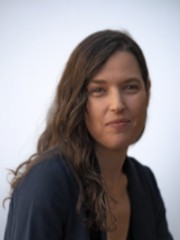
Tair Ben Porat
Co-Director
This course will ensure:
- Every discipline/specialty has a voice—from pre-operative to long-term integrated health.
- The program is inclusive of all specialties
- Content avoids weight-focused success definitions.
- Discussions and presentations highlight shared responsibilities rather than siloed practices.
- The learnings integrate the whole MDT team – recognising the importance of all IH members in the care of patients living with obesity
- Topics for discussion and involvement from all IH professionals (clinical and academic)
Learning Objectives:
- Develop a shared understanding of the health-gain model across the integrated health team.
- Apply the health-gain model to patient-centred planning, goal-setting, and relapse prevention strategies.
- Gain insights into the current and emerging comprehensive approaches within a health-gain context from clinical perspectives, technologies, to medications.
Click here to see the course agenda details.
Scope School
By the end of the Scope School you will:
- Understand the challenges in obesity management
- Be aware of the potential complications and staging of obesity and its impact on patient health.
- Be familiar with clinical assessments, including history taking and physical activity recommendations
- Appreciate approaches for personalised and patient-centred obesity management, including psychological assessments and dietary interventions.
- Be equipped to address weight bias and stigma, recognising its effects on patient experience and care outcomes.
- Be better prepared to discuss medical and surgical interventions for obesity, understanding the latest advances in pharmacotherapy and procedural approaches.
- Attendees earn SCOPE points that count towards SCOPE Certification
*Course agenda will be available in due course.